 NEXUS
TDIU: 7 questions veterans ask about VA unemployability
Can't work because of service-connected conditions but rated below 100%? The 60/40/70 rule, marginal work, and the two forms, answered plainly.
Get the answers →
Plain-language articles on Nexus Letters, DBQs and medical evidence for VA disability claims, written by Dr. Robert Clinton for veterans and the attorneys, claims agents and VSOs who represent them.
Can't work because of service-connected conditions but rated below 100%? The 60/40/70 rule, marginal work, and the two forms, answered plainly.
Get the answers →Two quick questions on where you served and what you've been diagnosed with, and an instant answer on whether a presumption may apply.
Take the check →A former Army physician and VA examiner's plain-language guide to medical evidence, now in paperback, linen hardcover and ebook.
Read the release →One formula covers PTSD, depression and anxiety, and it measures work and social impairment. Here's how the levels work.
Read the article →Supplemental Claim, Higher-Level Review or Board Appeal. The right choice depends on why VA said no.
Read the article →What the examiner needs from you, why your bad days matter, and what to do with the report afterward.
Read the article →What VA accepts from family and people you served with, and what a strong lay statement includes.
Read the article →Up to a year to gather evidence without losing back pay. How it works and when to file one.
Read the article →Most veterans were never diagnosed with sleep apnea in service. For many, a secondary claim is the stronger path. Here's how it works.
Read the article →The migraine criteria turn on a word the regulation never defines. How VA reads it, and how to document your attacks.
Read the article →Tinnitus tops out at 10%, but the conditions it causes or worsens are rated on their own. Here's what to look at.
Read the article →Service connection comes down to three things. The nexus is the link between them, and it's where many claims stall.
Read the article →Raters weigh a medical opinion by its reasoning, not its conclusion. Here's what separates a strong letter from one that gets set aside.
Read the article →A service-connected condition can cause or worsen another one. Here's how secondary claims work and what the evidence needs to show.
Read the article →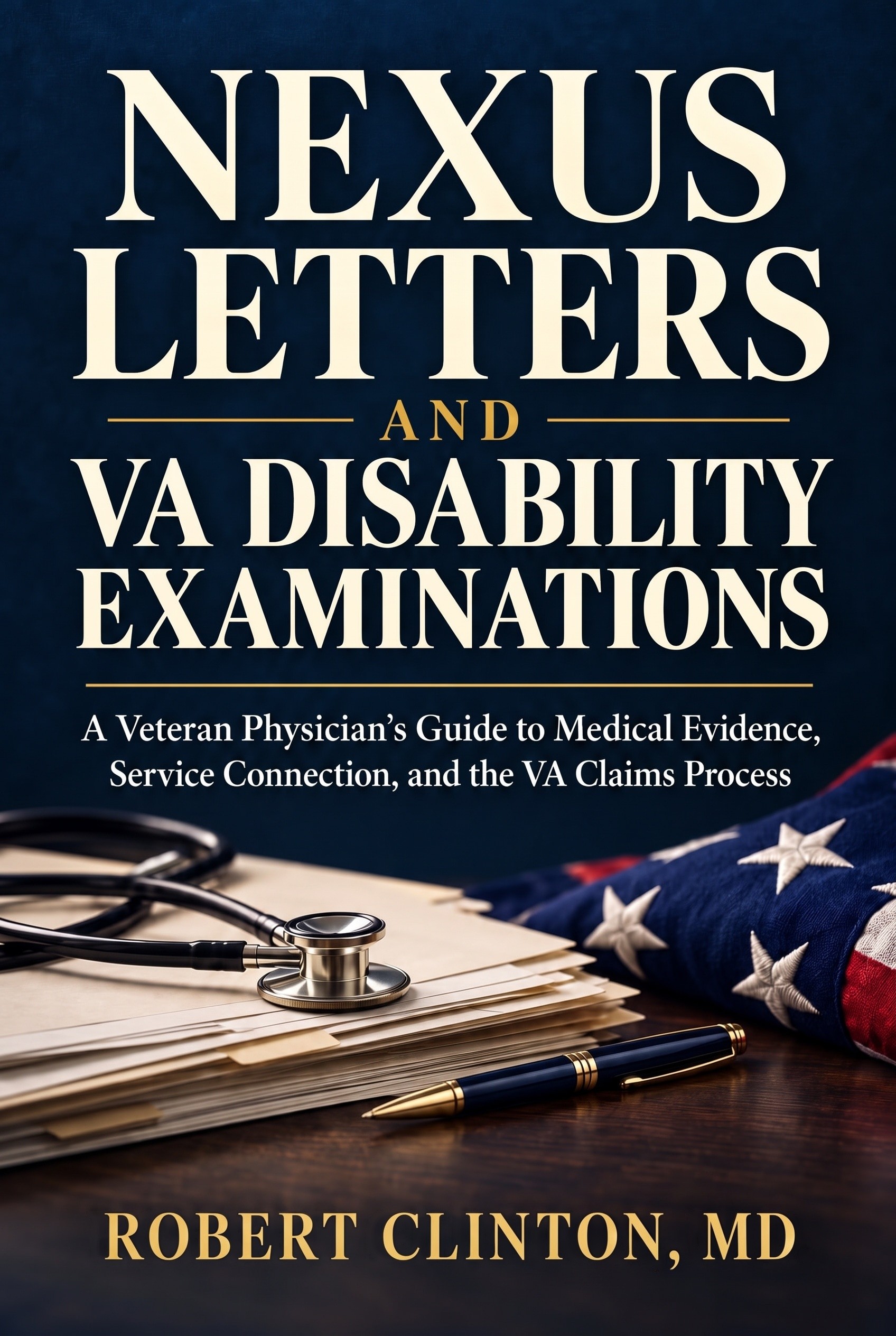
The book
Nexus Letters and VA Disability Examinations
Dr. Clinton's guide to medical evidence, service connection and the VA claims process. Paperback, linen hardcover and ebook.
Get the book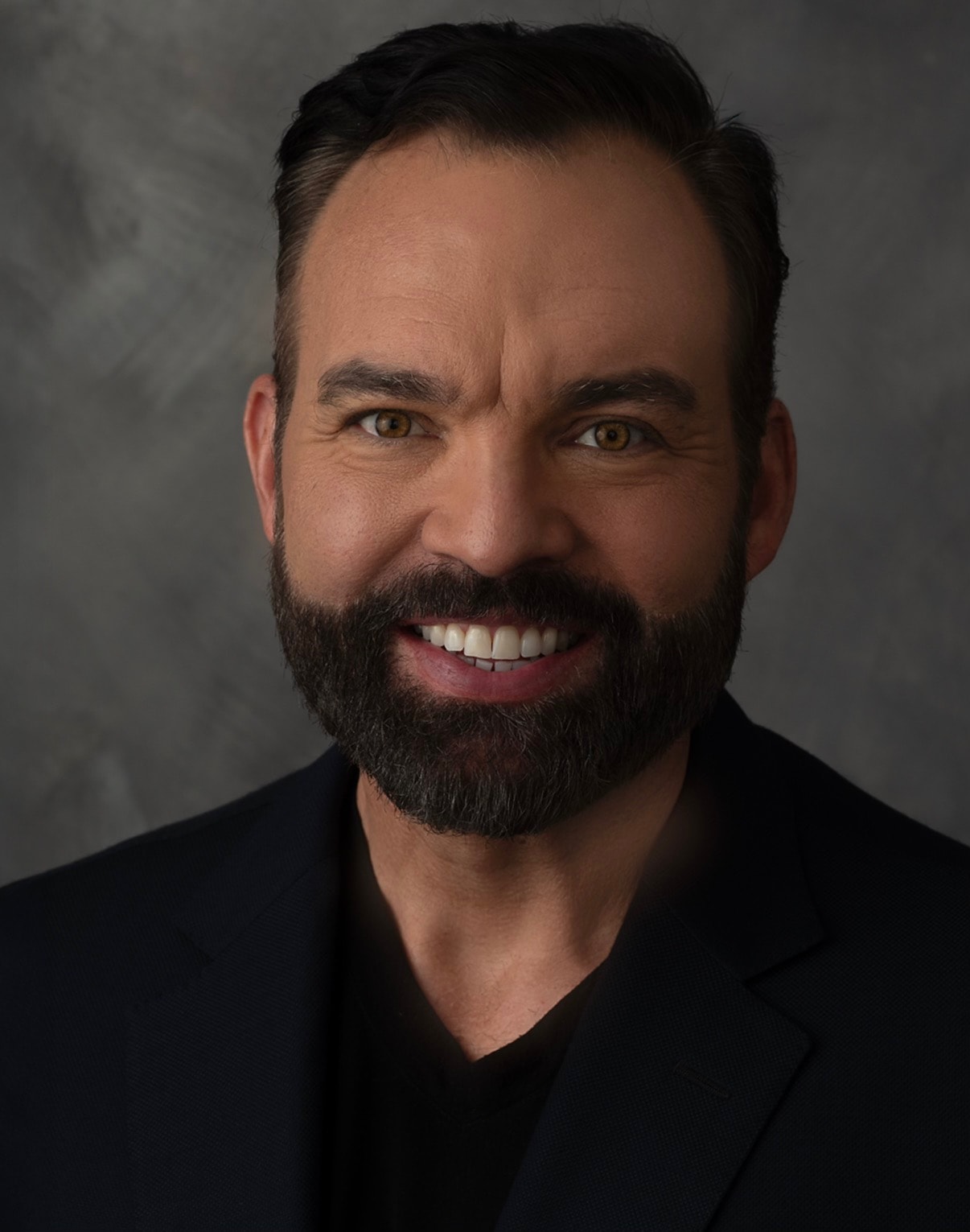
About the author. Dr. Robert Clinton is a former Army physician at Fort Bragg and a 100% service-connected disabled veteran. Since 2011 he has performed or taken part in more than 30,000 VA disability exams and DBQs. More about Dr. Clinton
Call (910) 830-1587 (24/7) or email info@nexusready.net.