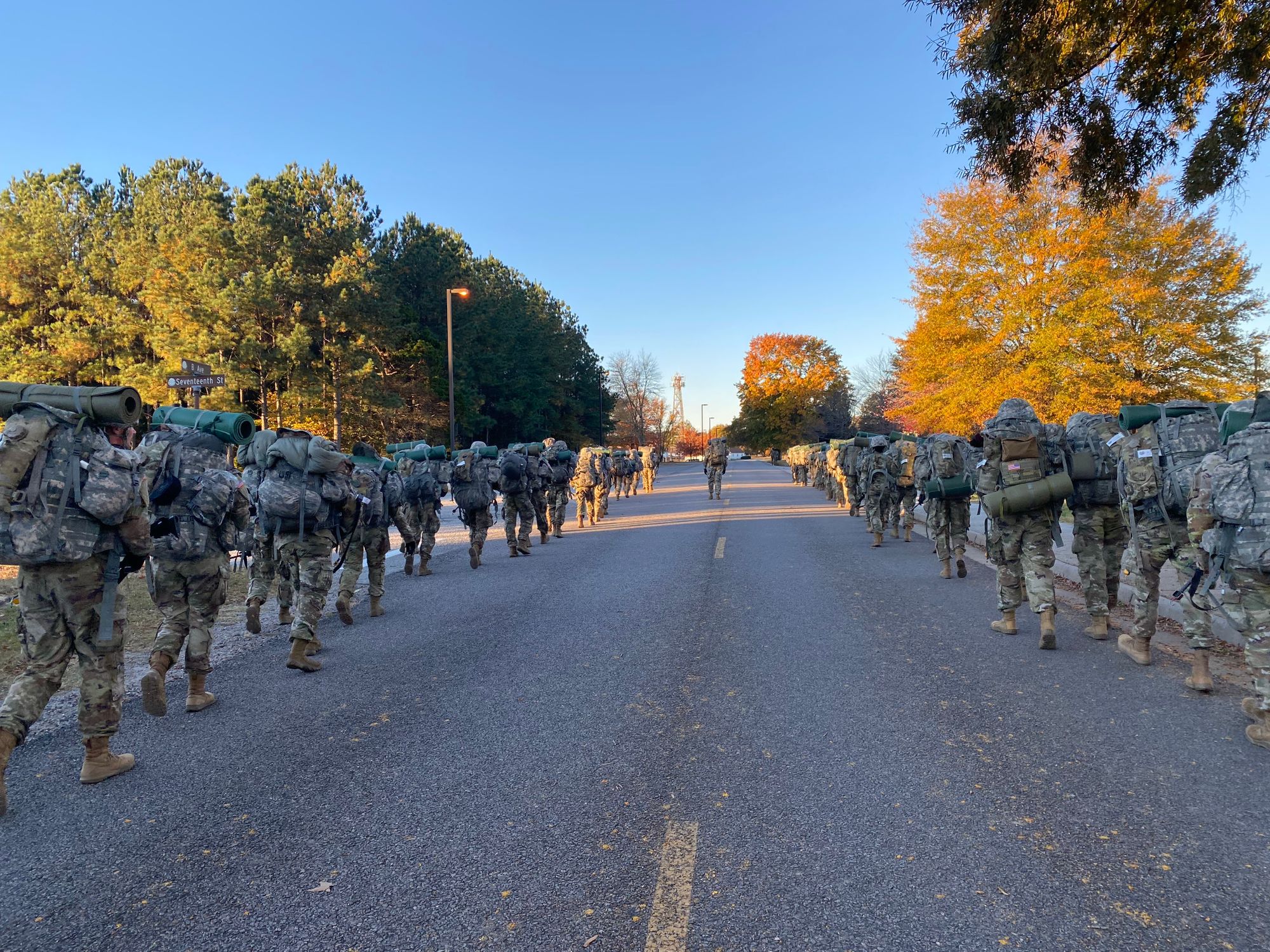
A lot of what happened in service never made it into a medical record. You hurt your back on a ruck march and kept going. You came home from deployment and stopped sleeping. Nobody wrote it down, but people saw it. VA can and does consider what those people saw.
Lay evidence is a statement from someone who isn't giving a medical opinion. It can come from you, a spouse, a parent, a friend, or someone you served with. VA's own regulation treats a lay person as competent to describe what they personally observed: an injury happening, a limp, nightmares, ringing ears, a change in mood or behavior.
The Federal Circuit has held that VA can't reject lay evidence just because there is no matching medical record from the time. VA still weighs credibility, but a missing record is not, by itself, a reason to disregard what a credible witness says.
Statements from other people can go on VA Form 21-10210, Lay/Witness Statement, or a signed letter.
What makes a statement useful: who the writer is and how they know you; specific dates, places and units where possible; exactly what they saw or heard; how often; and a closing that says the statement is true to the best of their knowledge, with a signature and date. Specific beats dramatic every time.
A lay witness can describe symptoms and events. In most cases a lay witness can't give the medical opinion that a condition was caused or worsened by service. That link usually needs a medical professional. This is where the two kinds of evidence work together: the buddy statement establishes what happened, and a Nexus Letter explains, with medical reasoning, why the current diagnosis is at least as likely as not connected to it.
Combat veterans get additional help. Under 38 U.S.C. § 1154(b), VA accepts satisfactory lay evidence of an injury or disease incurred in combat when it is consistent with the circumstances of that service, even without an official record.
If you are still gathering statements, file an Intent to File first so the time it takes doesn't cost you on the effective date.
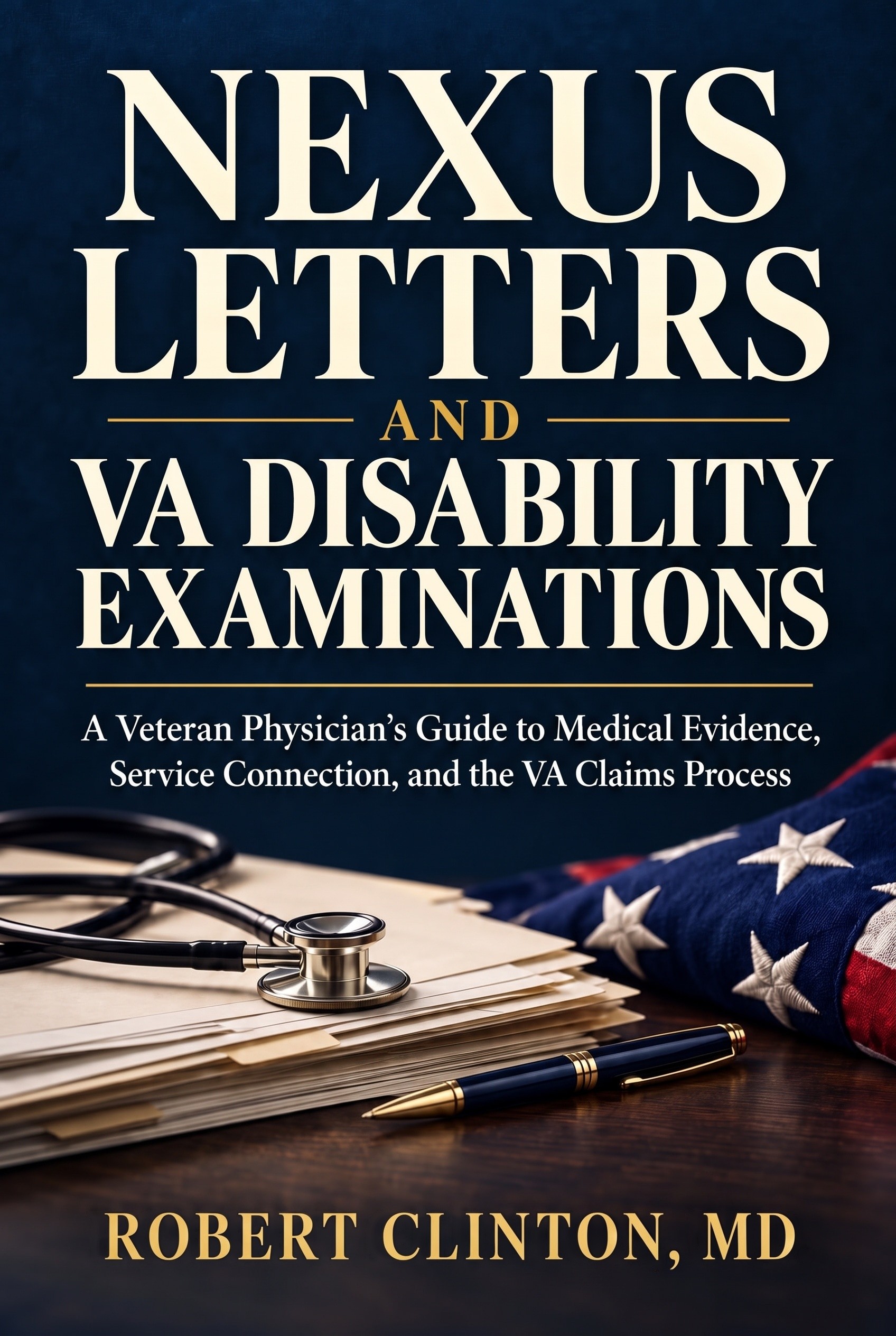
The book
Nexus Letters and VA Disability Examinations
Dr. Clinton's guide to medical evidence, service connection and the VA claims process. Paperback, linen hardcover and ebook.
Get the book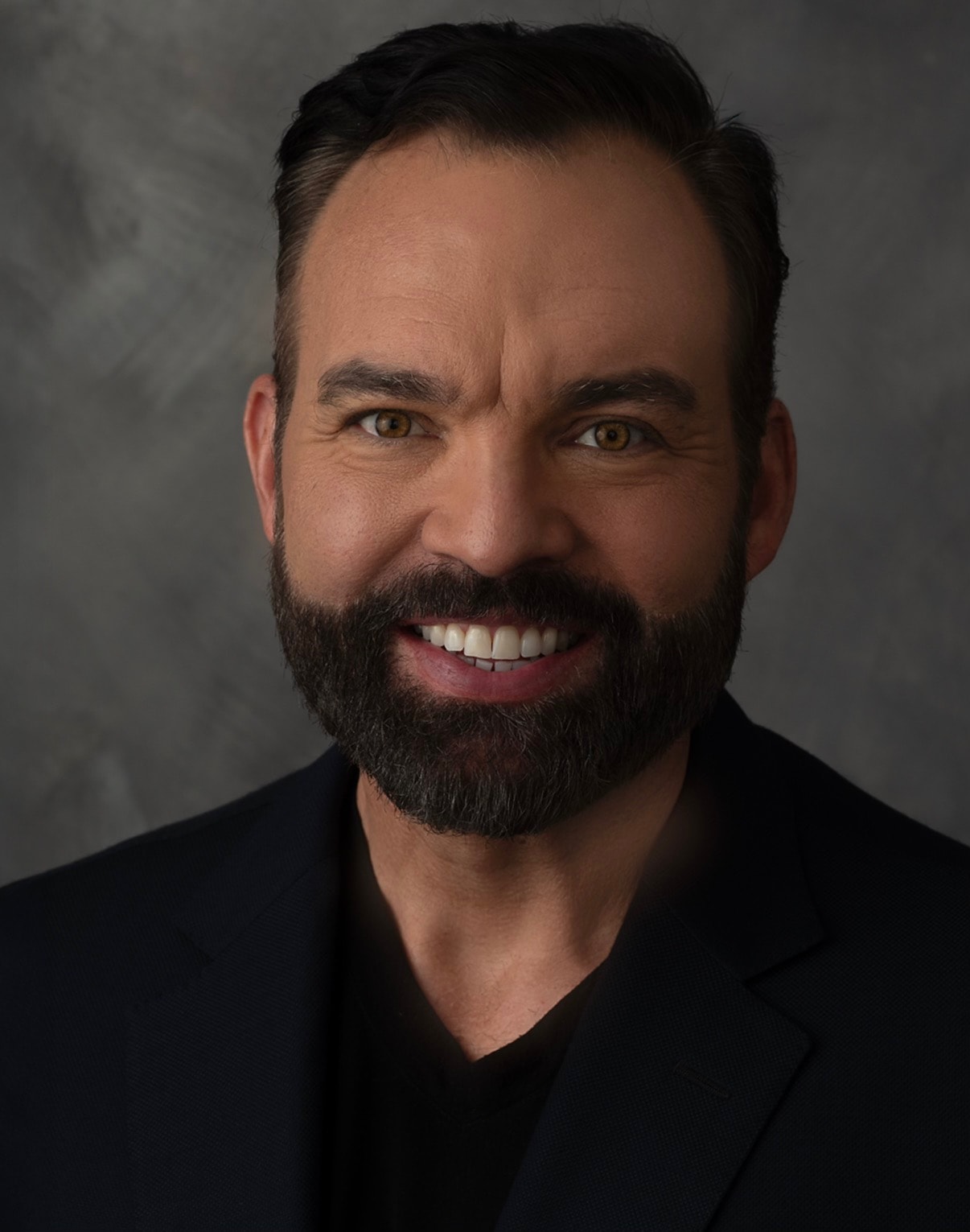
Dr. Robert Clinton is a former Army physician at Fort Bragg and a 100% service-connected disabled veteran. Since 2011 he has performed or taken part in more than 30,000 VA disability exams and DBQs. More about Dr. Clinton
This article is general information, not medical or legal advice. Every claim depends on its own record.
Call (910) 830-1587 (24/7) or email info@nexusready.net.
 NEXUS