Most veterans I talk with are not ready to file the day they decide to file. They need records from a private doctor, a statement from someone they served with, or a medical opinion. That takes time, and every month of delay can cost money, because VA usually pays from the date your claim is received. An Intent to File closes that gap.
An Intent to File (ITF) tells VA you plan to file a claim. Once VA has it, you have up to one year to submit the completed claim. If the claim is granted, VA can generally pay benefits back to the date it received your Intent to File instead of the date you finally submitted everything.
It costs nothing, it doesn't commit you to anything, and it doesn't start any clock you can lose by. If the year passes and you never file, you are simply back where you started.
Check that it was recorded. After you submit, confirm on VA.gov or by phone that your Intent to File shows as active, and write down the date. That date is the one you are protecting.
File an ITF as soon as you know you want to claim something new, an increase, or a secondary condition, and you need time to build the evidence. Common examples:
One active ITF covers compensation claims filed within the year. Once you submit a claim, that ITF is used, and a new claim later in the year may need a new one. If you file a claim after the year runs out, the ITF no longer helps, so put the deadline on your calendar.
An Intent to File protects your date. It doesn't make the claim any stronger. The year is the time to get the evidence right: a current diagnosis, proof of the in-service event or exposure, and a medical opinion that links the two. That link is where a well-reasoned Nexus Letter often decides the outcome.
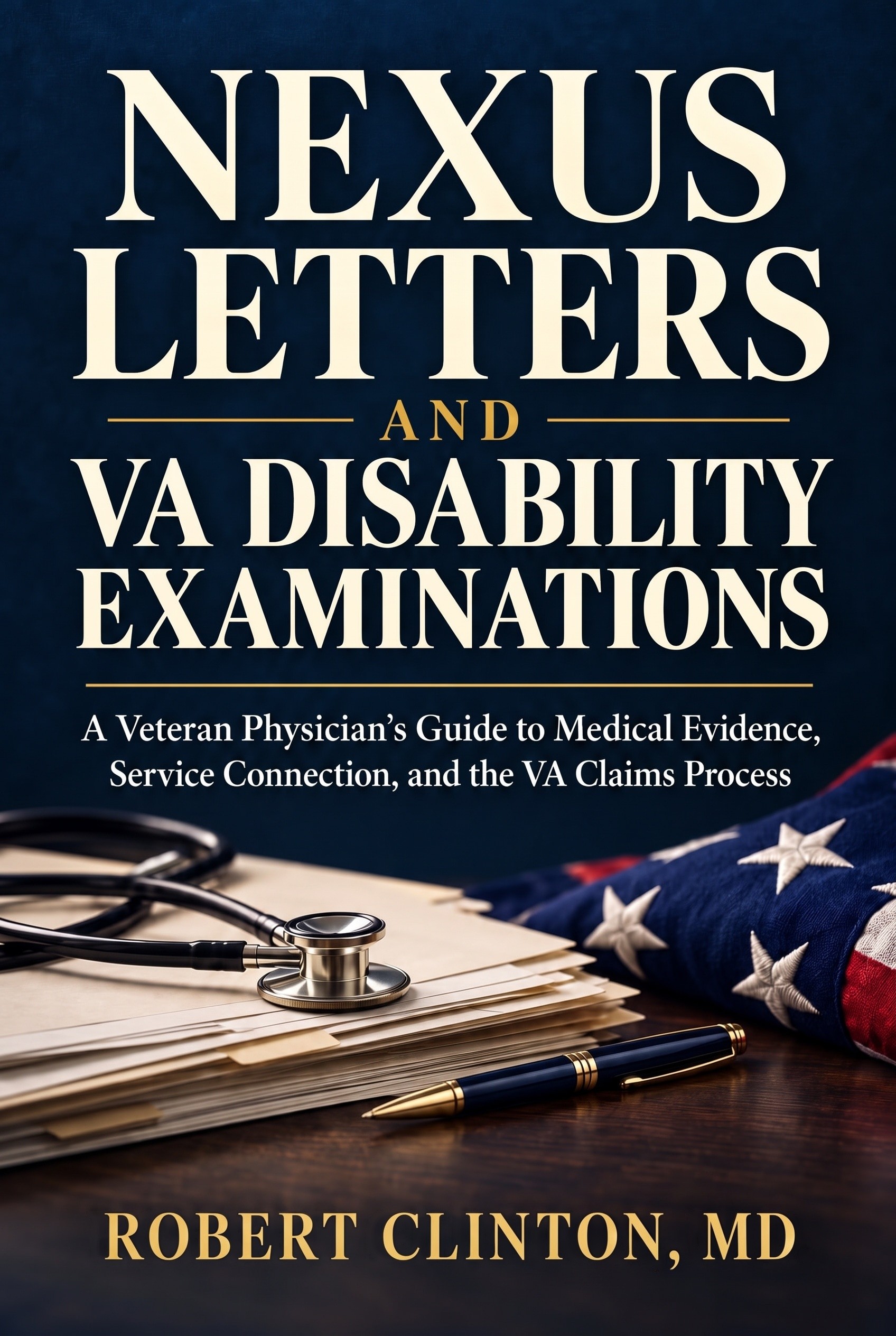
The book
Nexus Letters and VA Disability Examinations
Dr. Clinton's guide to medical evidence, service connection and the VA claims process. Paperback, linen hardcover and ebook.
Get the book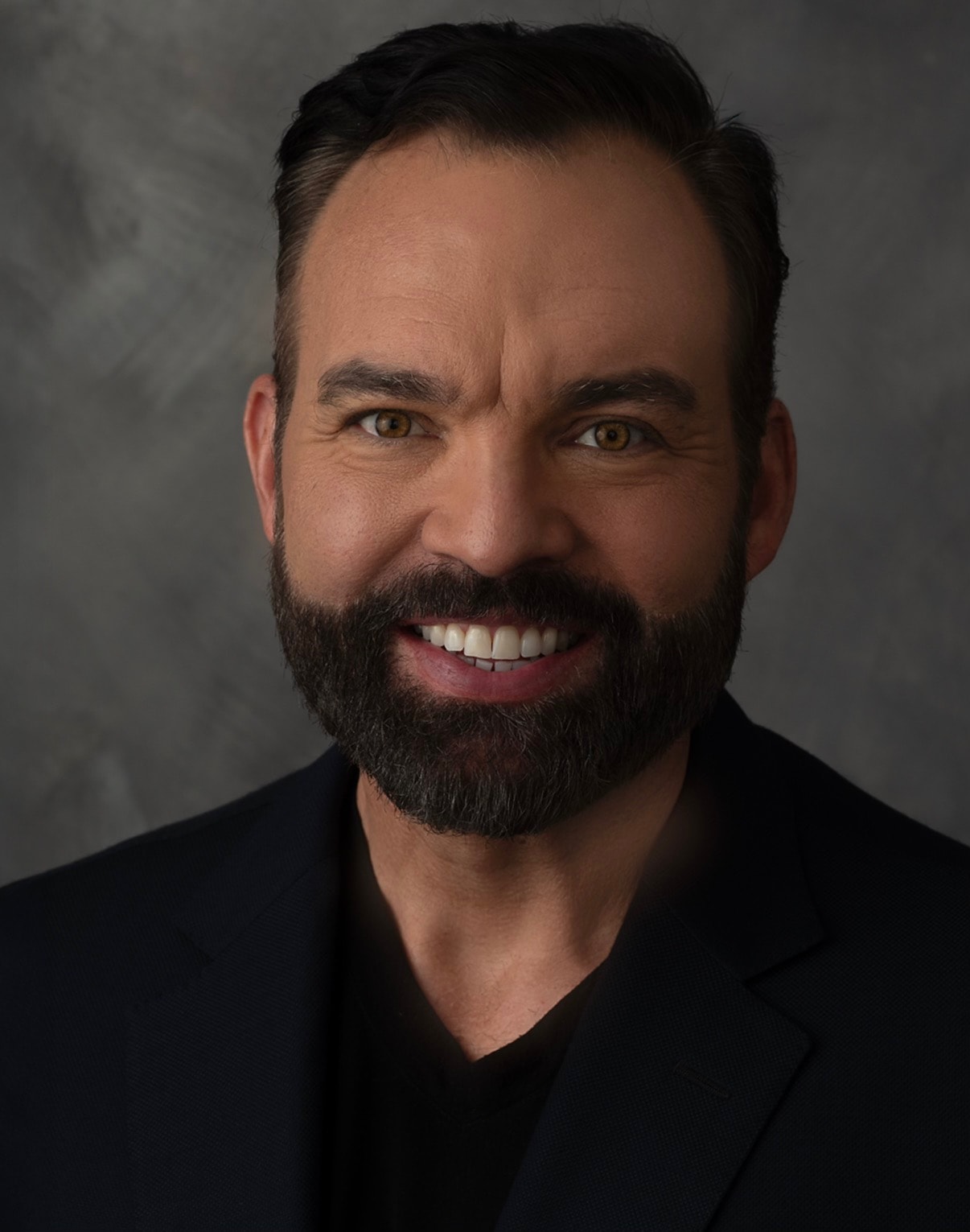
Dr. Robert Clinton is a former Army physician at Fort Bragg and a 100% service-connected disabled veteran. Since 2011 he has performed or taken part in more than 30,000 VA disability exams and DBQs. More about Dr. Clinton
This article is general information, not medical or legal advice. Every claim depends on its own record.
Call (910) 830-1587 (24/7) or email info@nexusready.net.
 NEXUS