To get a condition service connected, a VA claim generally has to show three things:
The first two usually come from records: your current treatment notes and your service treatment records. The third one is a medical question. Whether a back condition today is related to years of rucking and airborne operations, or whether a sleep problem is tied to a service-connected condition, takes a physician's judgment. That judgment, written down with the reasoning behind it, is a Nexus Letter.
Many claims have the diagnosis and the in-service history but no clear medical opinion connecting them. Sometimes the VA examiner addresses it. Sometimes the examiner's opinion is brief, based on an incomplete history, or doesn't address the question that actually matters. When that happens, the claim can be denied even though the facts were there.
A private Nexus Letter is a medical opinion from a physician who has reviewed your record. VA must consider it along with everything else, and weighs it by the quality of its reasoning.
Not every claim needs a Nexus Letter. If the condition is presumptive (for example, many toxic-exposure conditions under the PACT Act), or the in-service injury and the current condition are well documented and already connected in the record, a letter may add little. We'll tell you that plainly.
Working with a representative? Whether you work with a VSO, an accredited claims agent or an attorney, a Nexus Letter fits into the claim they're building. We work alongside your representative and can review records with them before a letter is ordered.
Every letter pulls together your service history, your MOS and duties, what happened in service, what happened since, and where you are now, then ties it together with medical reasoning and supporting literature. It uses the VA's standard of proof, and it never overstates anything. For more on what makes an opinion carry weight, read What makes a Nexus Letter hold up.
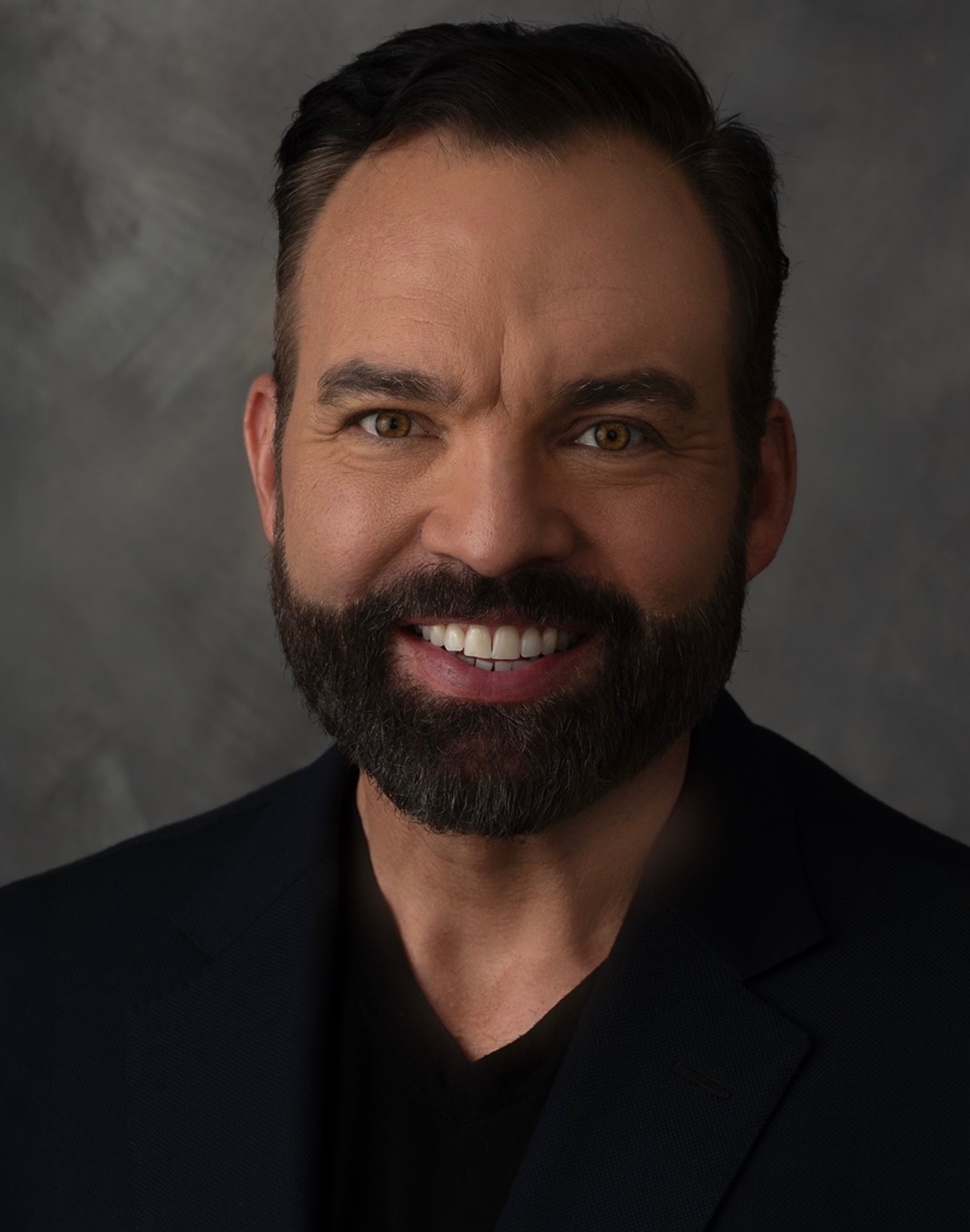
Dr. Robert Clinton is a former Army physician at Fort Bragg and a 100% service-connected disabled veteran. Since 2011 he has performed or taken part in more than 30,000 VA disability exams and DBQs. More about Dr. Clinton
This article is general information, not medical or legal advice. Every claim depends on its own record.
Call (910) 830-1587 (24/7) or email info@nexusready.net.
 NEXUS
NEXUS