A Nexus Letter is only as useful as the weight VA gives it. Raters and the Board don't count opinions; they weigh them. An opinion that states a conclusion without showing how the doctor got there is easy to set aside, no matter who signed it. After more than 30,000 VA disability exams and DBQs, these are the five things I see separate a letter that holds up from one that doesn't.
A strong opinion is built on the full picture: service treatment records, VA and private treatment records, prior VA decisions and exams, and the veteran's own statement. An opinion based on an inaccurate or incomplete history has little or no probative value. If a letter doesn't show that the doctor knew the facts, a rater has no reason to trust its conclusion.
VA doesn't require certainty. The question is whether the condition is at least as likely as not (a 50% or greater probability) related to service or to a service-connected condition. When the evidence is evenly balanced, VA resolves reasonable doubt in the veteran's favor. A letter should answer that question in those terms, not in vague language like “could be” or “possibly,” which raters often treat as speculative.
This is the heart of the letter. A medical opinion is weighed by its reasoning, not just its conclusion. The letter should walk through how the in-service facts and the medicine connect: what happened, what it does to the body over time, and why that fits this veteran's current condition.
Where research shows a link, the letter should say so and cite it. Literature doesn't replace reasoning about the individual veteran, but it shows the connection is grounded in medicine, not just opinion.
Exaggeration hurts claims. An opinion that ignores contrary evidence, overstates symptoms, or claims certainty the record can't support invites a rater to discount the whole thing. A credible letter acknowledges what's in the record, including what cuts the other way, and explains why the link still holds.
One more piece: a current diagnosis. A nexus opinion connects a condition to service, so the condition has to be properly documented first. When the diagnosis is missing or unclear, an independent DBQ can establish it alongside the letter.
Every NEXUS Ready letter is written to meet all five. If you or your representative want to know whether a letter would help your claim, start with the free readiness check below.
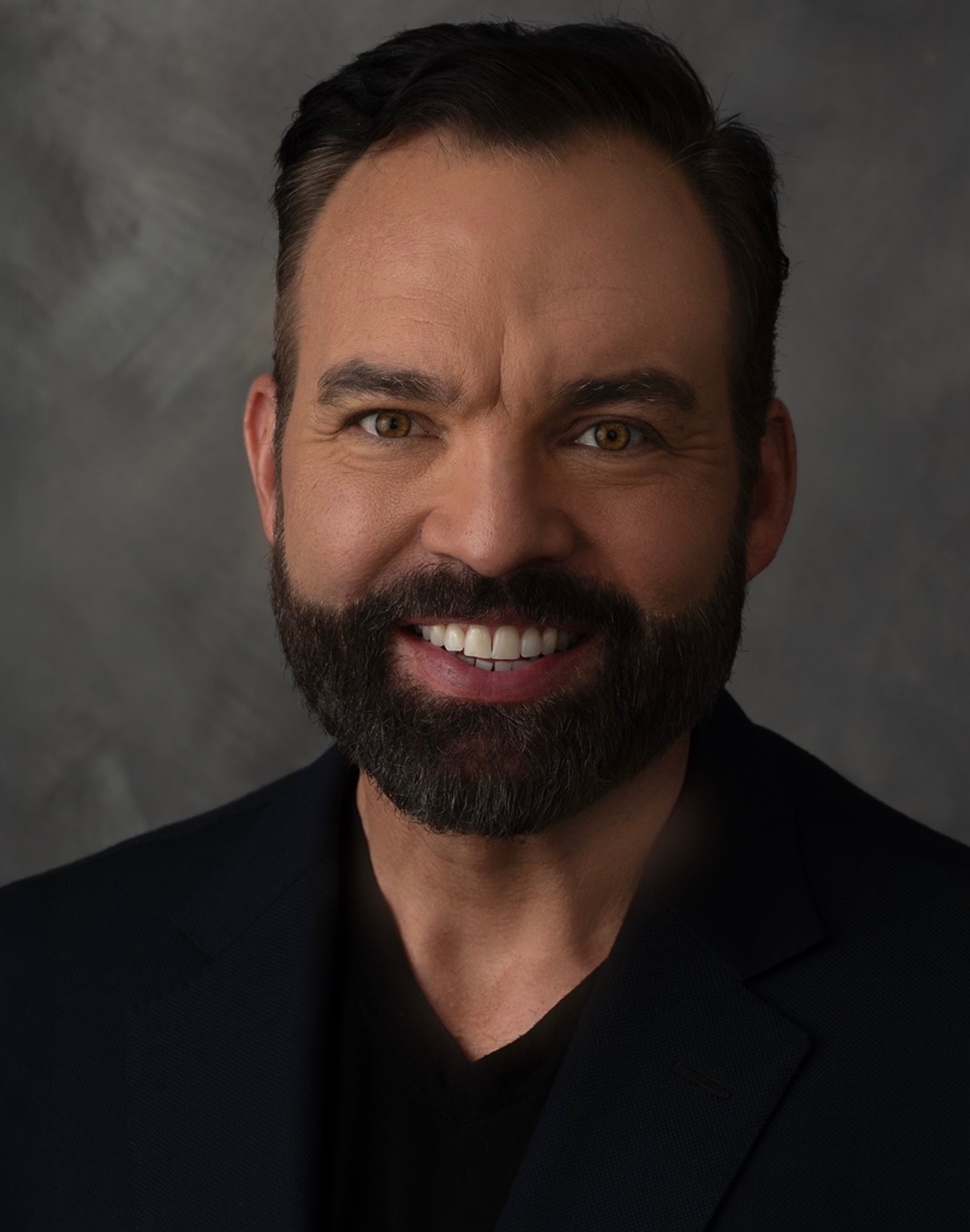
Dr. Robert Clinton is a former Army physician at Fort Bragg and a 100% service-connected disabled veteran. Since 2011 he has performed or taken part in more than 30,000 VA disability exams and DBQs. More about Dr. Clinton
This article is general information, not medical or legal advice. Every claim depends on its own record.
Call (910) 830-1587 (24/7) or email info@nexusready.net.
 NEXUS
NEXUS